
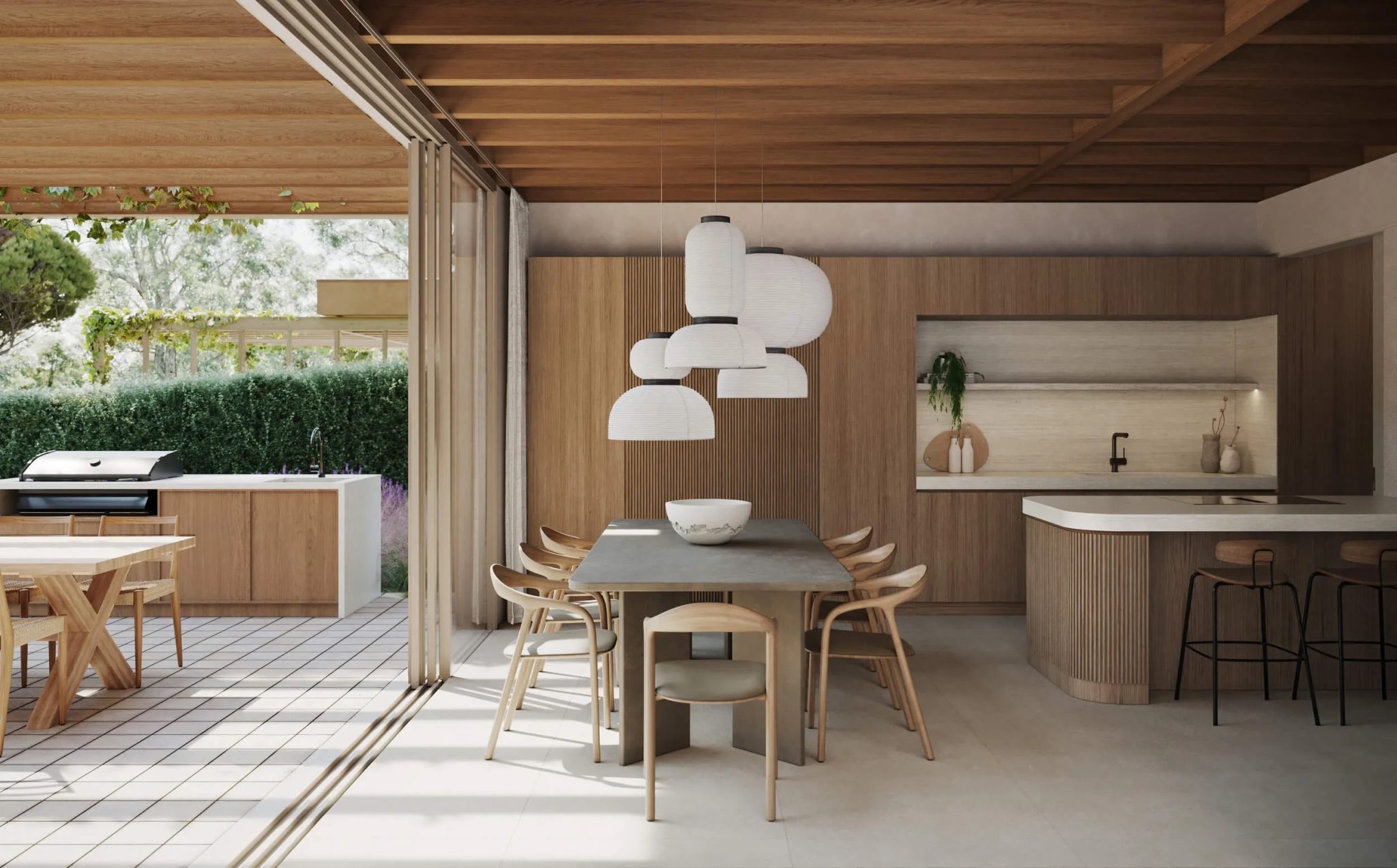
Kitchens, wardrobes, doors and timber windows are part of a building’s everyday use. The difference lies in the materials, the components and, above all, how everything is made and installed.
Some elements of a building are seen from a distance.
Others are used every day.
We open a door. Pull out a drawer. Close a wardrobe. Use a kitchen. Open a window. We repeat these actions hundreds or thousands of times over the life of a space.
This is where the quality of carpentry becomes more than a visual matter.
A kitchen may look well made when it is installed. A door may be perfectly aligned. A wardrobe may have an impeccable finish.
The real test comes later, when these elements begin to be used day after day.
Not all carpentry is the same
“Kitchen”, “wardrobe”, “door” and “timber window” are descriptions too broad to assess the quality of a solution.
Behind a seemingly simple piece of joinery are materials, hardware, bonding, machining, finishes, tolerances and assembly systems.
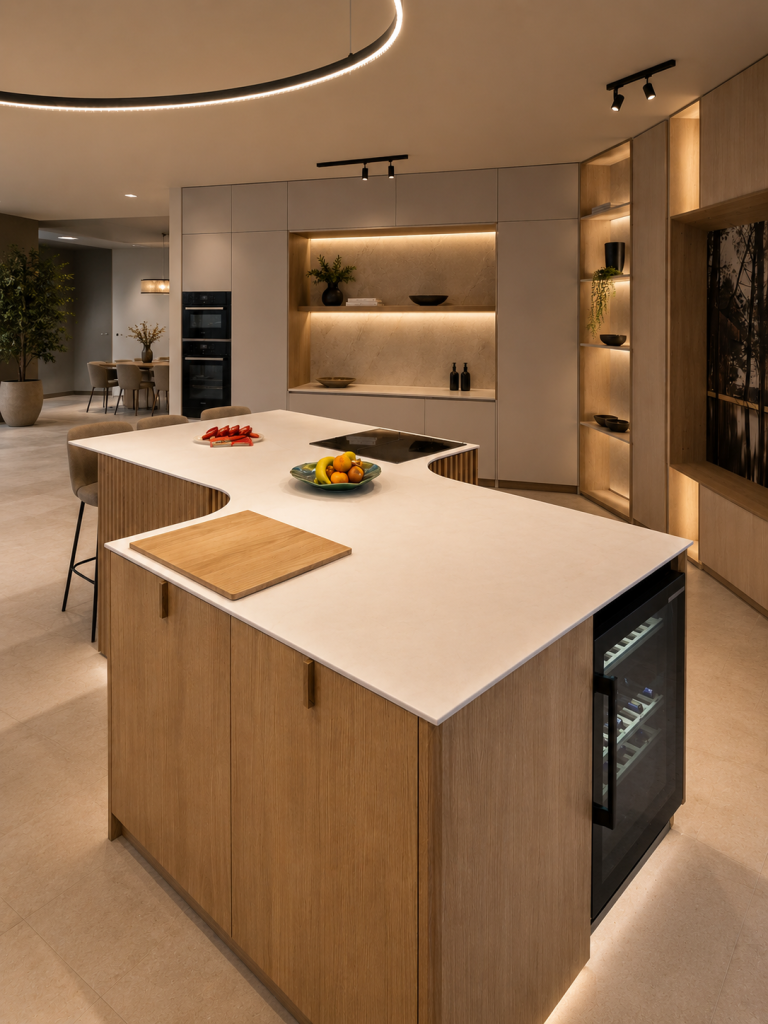
In a kitchen, components must be chosen to withstand frequent use, loads, cleaning, water and steam.
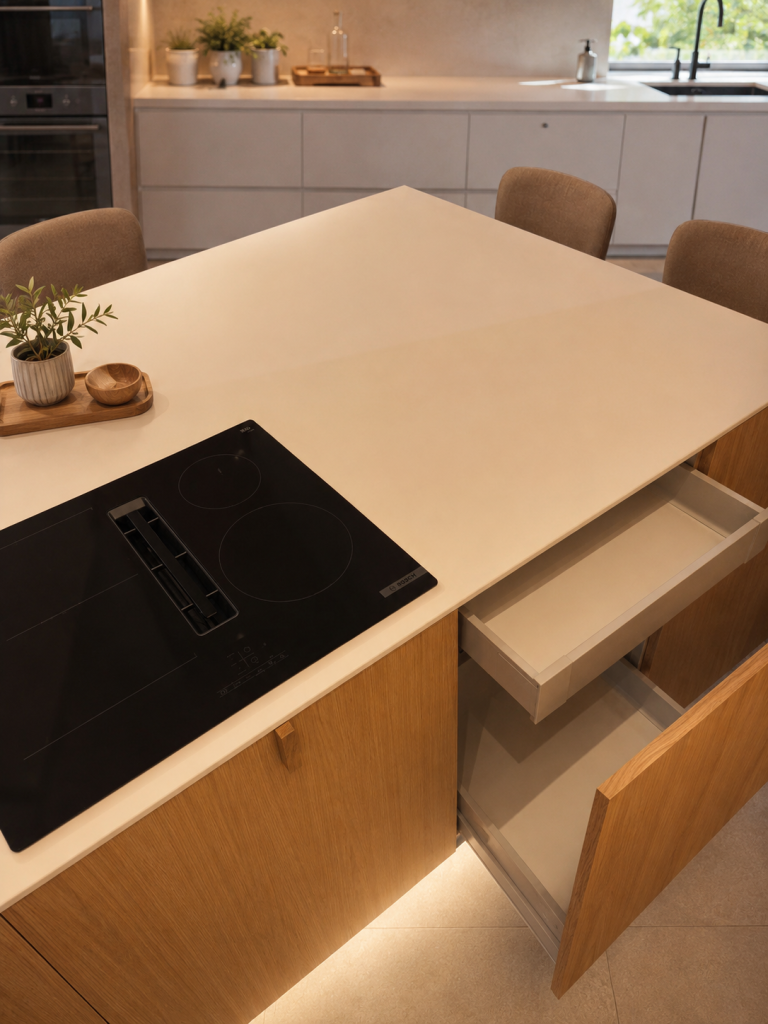
In a wardrobe, stability, hardware, opening mechanisms, the finish and the precision of the joints all matter..
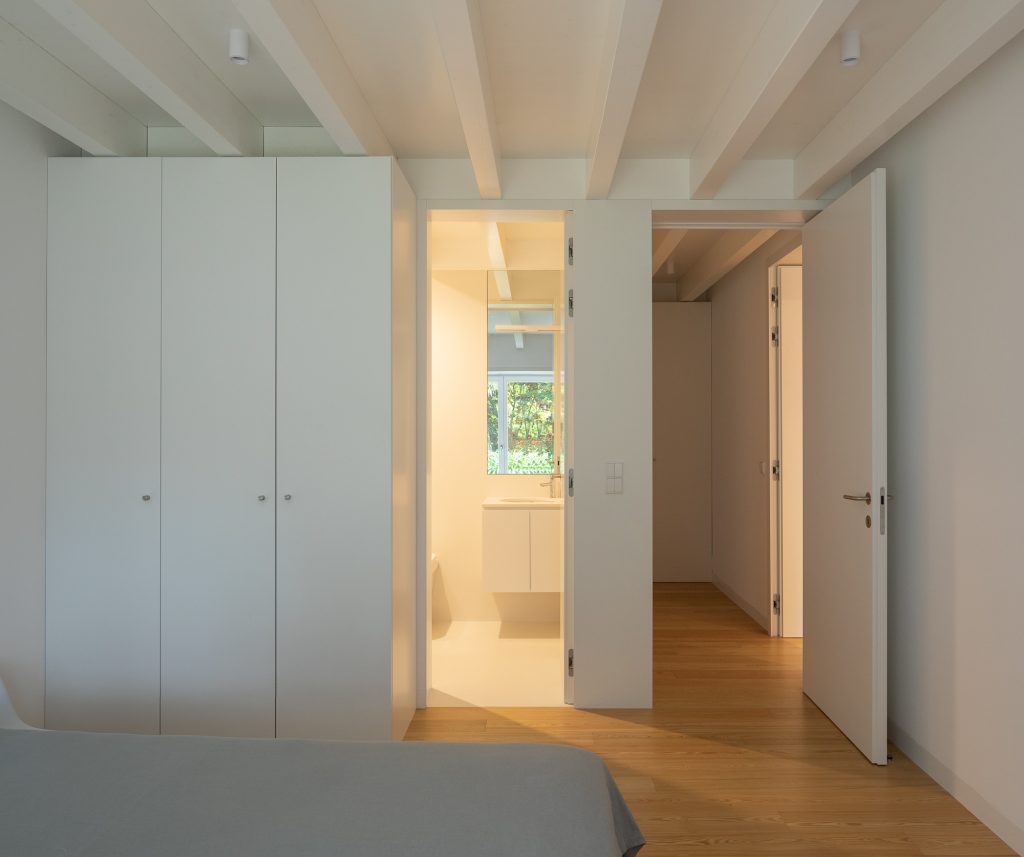
In an interior door, the door panel, frame, hardware, and installation must all work together as a single unit.
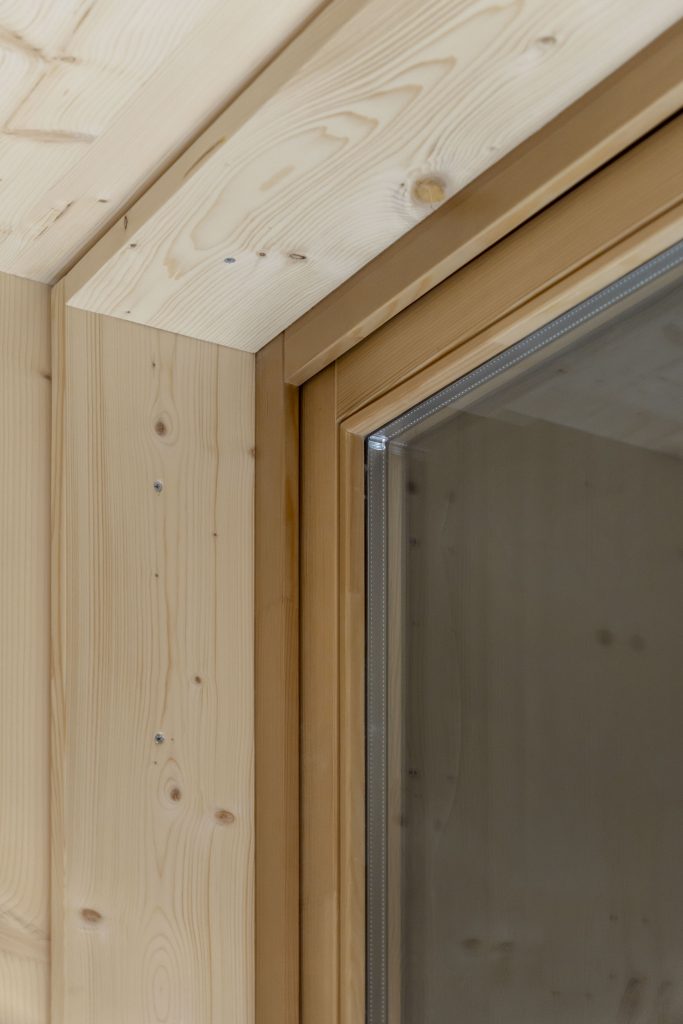
Exterior timber windows bring additional demands: exposure to the elements, weather tightness, dimensional stability, finish, maintenance and the performance of the whole assembly.
Comparing solutions solely by appearance or initial price can therefore conceal significant differences.
The brand matters. But it is important to understand why.
For components used repeatedly, choosing manufacturers and brands with proven quality can reduce uncertainty.
Not because of the name printed on the product, but because of what stands behind it.
Technical development. Manufacturing consistency. Product ranges suited to different uses. Documentation. Testing where applicable. Component availability. Spare parts. Support.
A hinge, drawer runner or opening mechanism is a relatively small part of the total cost of a carpentry project.
But it has a very direct effect on the experience of using it.
The same principle applies to the other materials and components.
Specifications should take account of the function each element must perform and the conditions it will face.
Choosing quality does not mean choosing the most expensive component. It means choosing the right component, with performance and provenance that can be assessed.
After materials come precision and care
Even good materials and components do not, on their own, guarantee good carpentry.
They must be processed correctly.
Cutting. Drilling. Routing. Edge banding. Preparing joints. Assembly. Sanding. Finishing.
Precision at each stage affects the next.
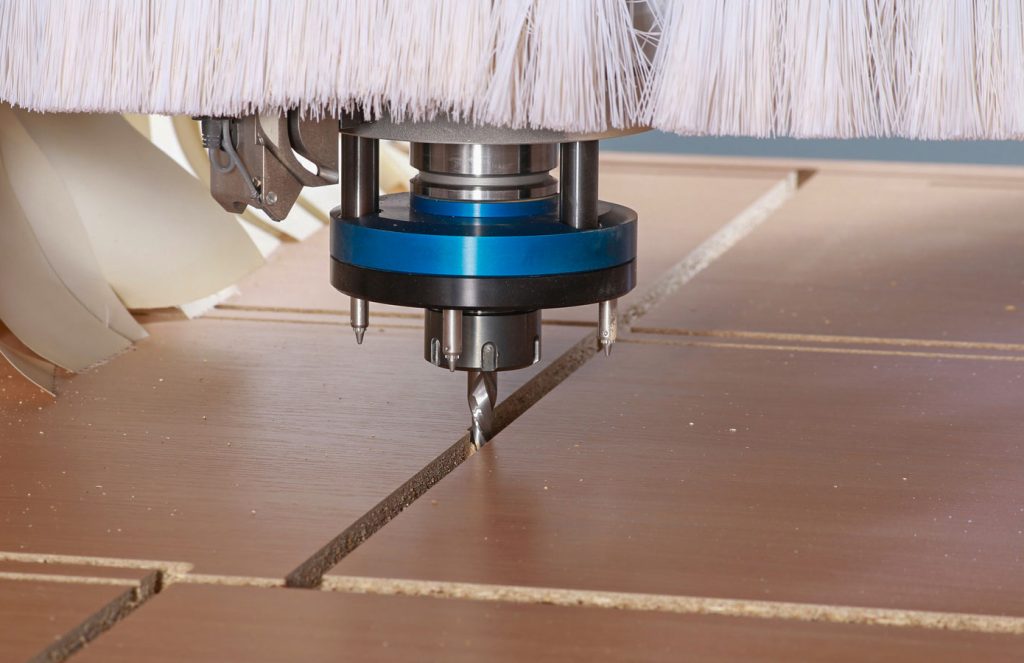
A small discrepancy in machining can later show up as misalignment. A preparation error can make assembly difficult. A poorly prepared surface can compromise the finish.
This is where industrial capability becomes important.
A machine does not replace carpentry expertise, but it makes certain operations precise and repeatable.
Technology and expertise are not alternatives. They need each other.
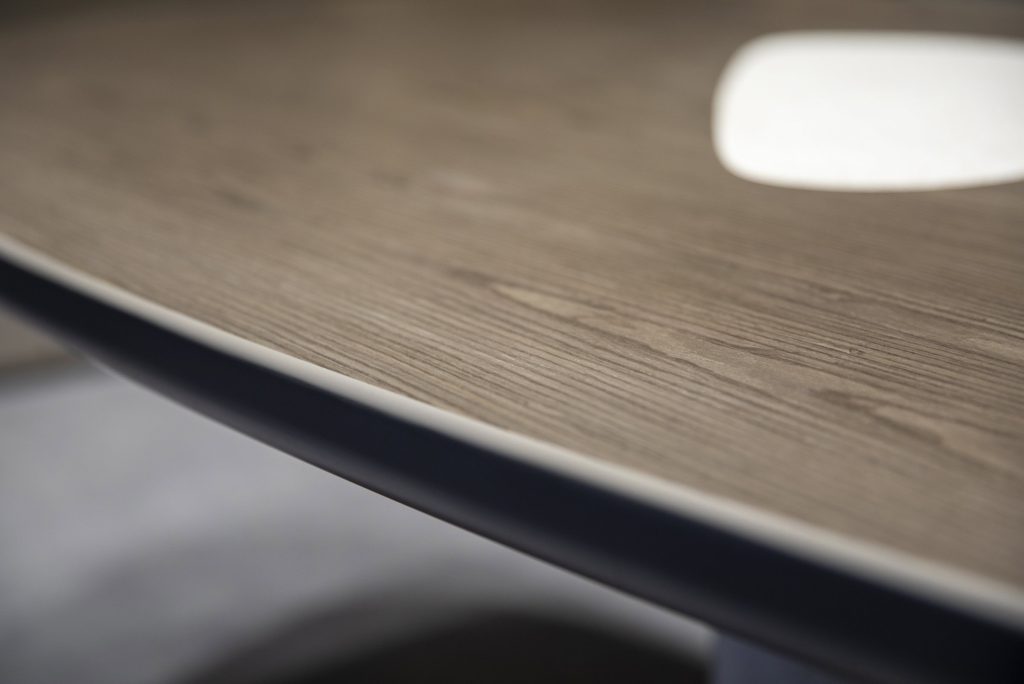
From raw material to finished piece
At PORTILAME, carpentry production is supported by a factory equipped to carry out different stages of the process in house.
This capability allows the transformation to be overseen under one roof, from preparing and machining components through to finishing and preparation for installation, according to each solution
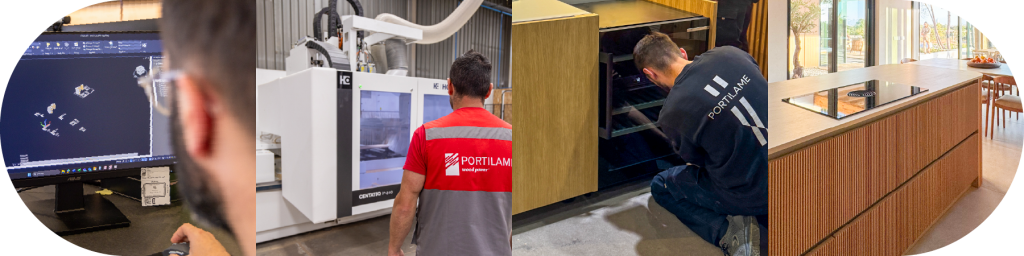
The benefit is not simply the ability to manufacture. It is the ability to connect design, production and quality control.
When technical information reaches the factory, it must be translated into physical pieces with specific dimensions, drilled holes, joints and finishes.
The more closely these stages are connected, the greater the ability to monitor the process and identify issues before installation.
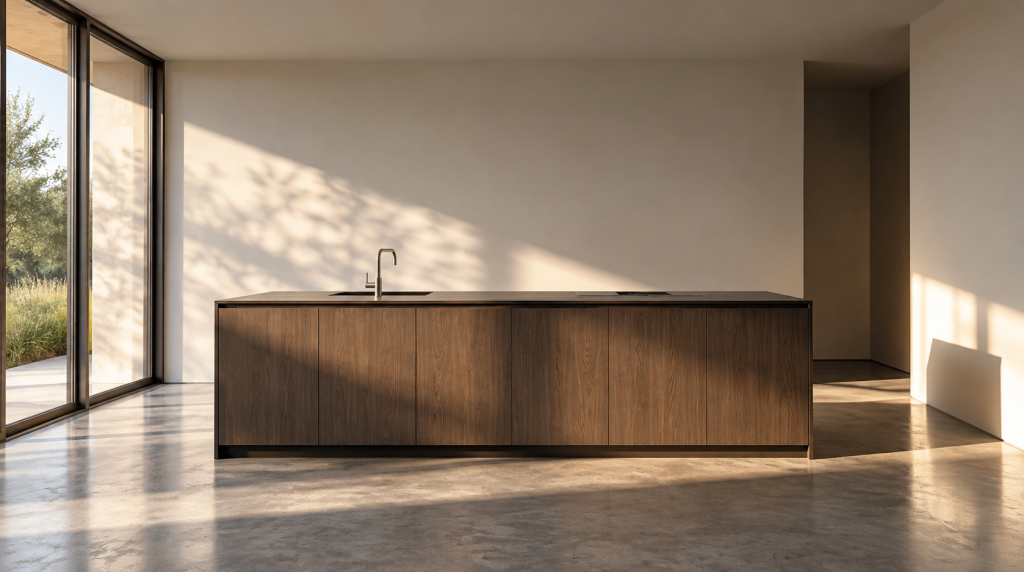
A kitchen is more than a piece of furniture
The kitchen is perhaps where this combination is most apparent.
It brings together design, ergonomics, appliances, building services, materials, hardware, lighting and everyday use.
A seemingly small change can affect several trades.
The location of an appliance shapes the cabinetry. The cabinetry must accommodate electrical and plumbing connections. Worktops depend on measurements and tolerances. Fronts, drawers and doors need room to operate.
Producing a kitchen is therefore also an exercise in coordination and functionality.
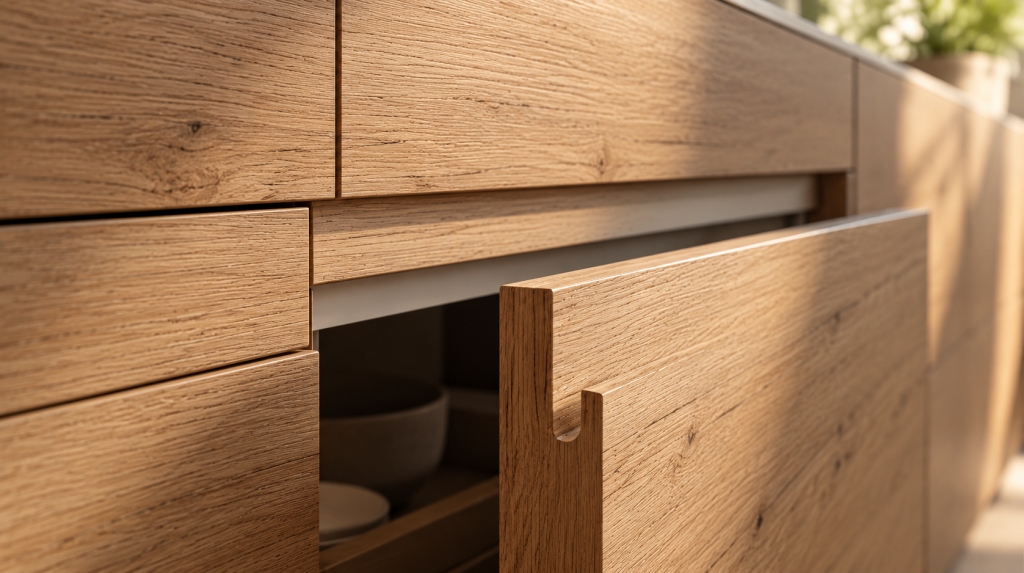
Doors and wardrobes: quality is in the details
In interior carpentry, many signs of quality are found in the details.
Alignment. Gaps. Joints between materials. Continuity of surfaces. Operation of the hardware. Consistency of the finish.
These differences may be only a few millimetres. Users may not be able to identify them in technical terms, but they notice them when they open a door or look at a row of wardrobes.
Because these elements are close at hand and used daily, the quality of the workmanship becomes especially apparent.
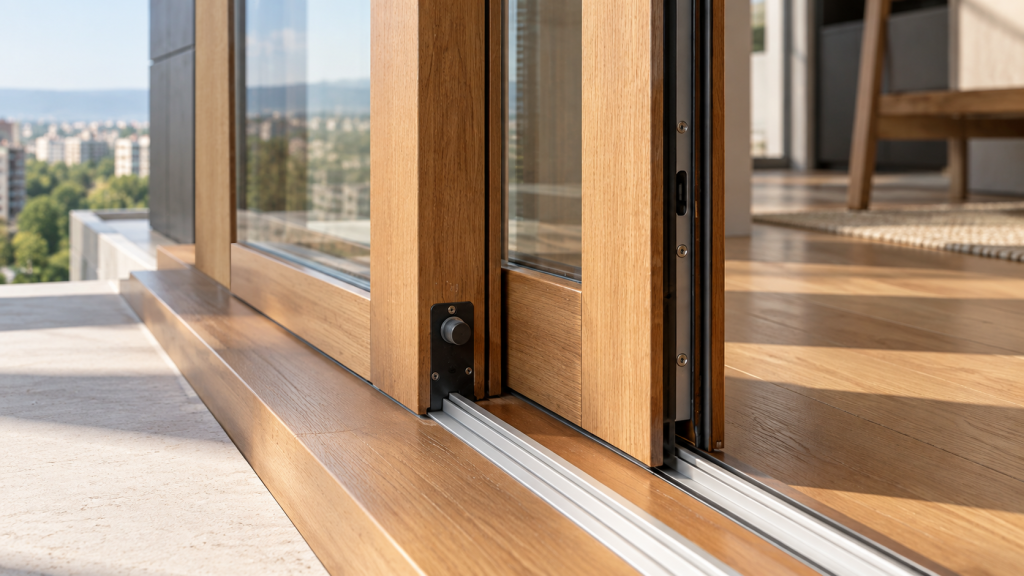
Exterior timber windows: where carpentry meets the building
A timber window adds another dimension to the challenge.
It is no longer simply an interior element.
The window is part of the building envelope and is exposed to outdoor conditions.
Material, geometry, glazing, hardware, seals, finish, drainage and installation must all work together.
Here, too, timber should not be assessed in isolation.
The window’s performance depends on the complete system and the conditions for which it was designed.
Nor does durability end with installation. Protection and maintenance must be considered throughout its service life.
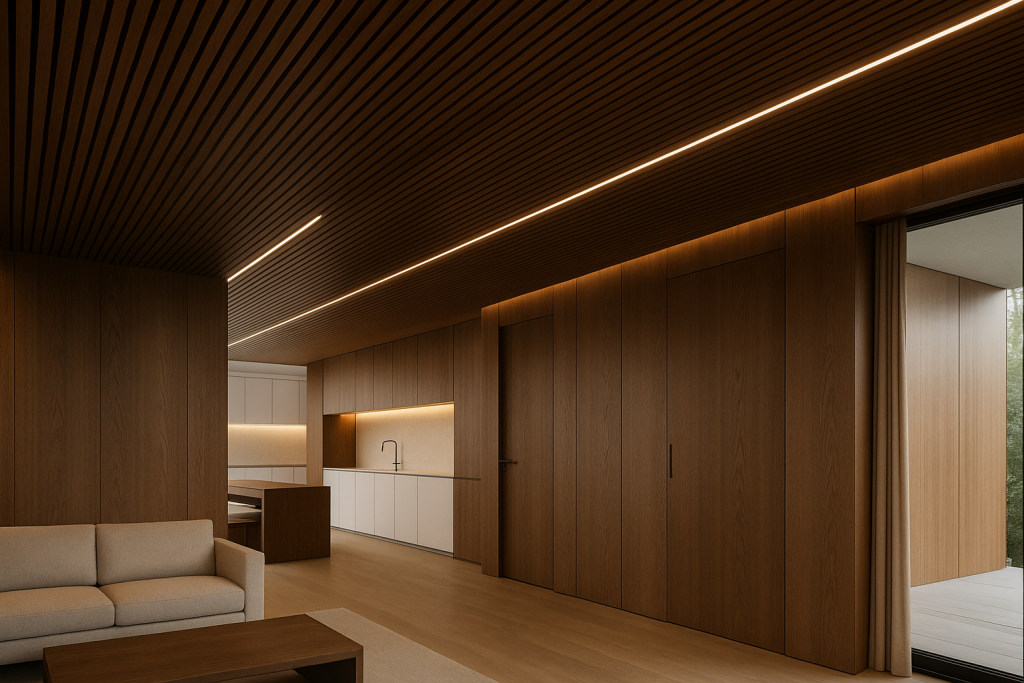
The details we use every day
Architecture defines spaces. Structure makes them possible.
But the elements we touch often shape our everyday perception of quality.
A door that closes properly. A drawer that remains aligned. A wardrobe designed for real use. A kitchen in which materials, appliances and hardware work together. A timber window designed to meet the building’s requirements.
None of these outcomes depends on a single decision.
They result from the combination of specifications, materials, components, brands, technology, expertise, production and installation.
That is why, in carpentry, the quality we see at the end begins long before the finish.